Loading...
We Say We Support Veterans. Why Is Medical Cannabis Still So Hard to Access?
November 11, 2026
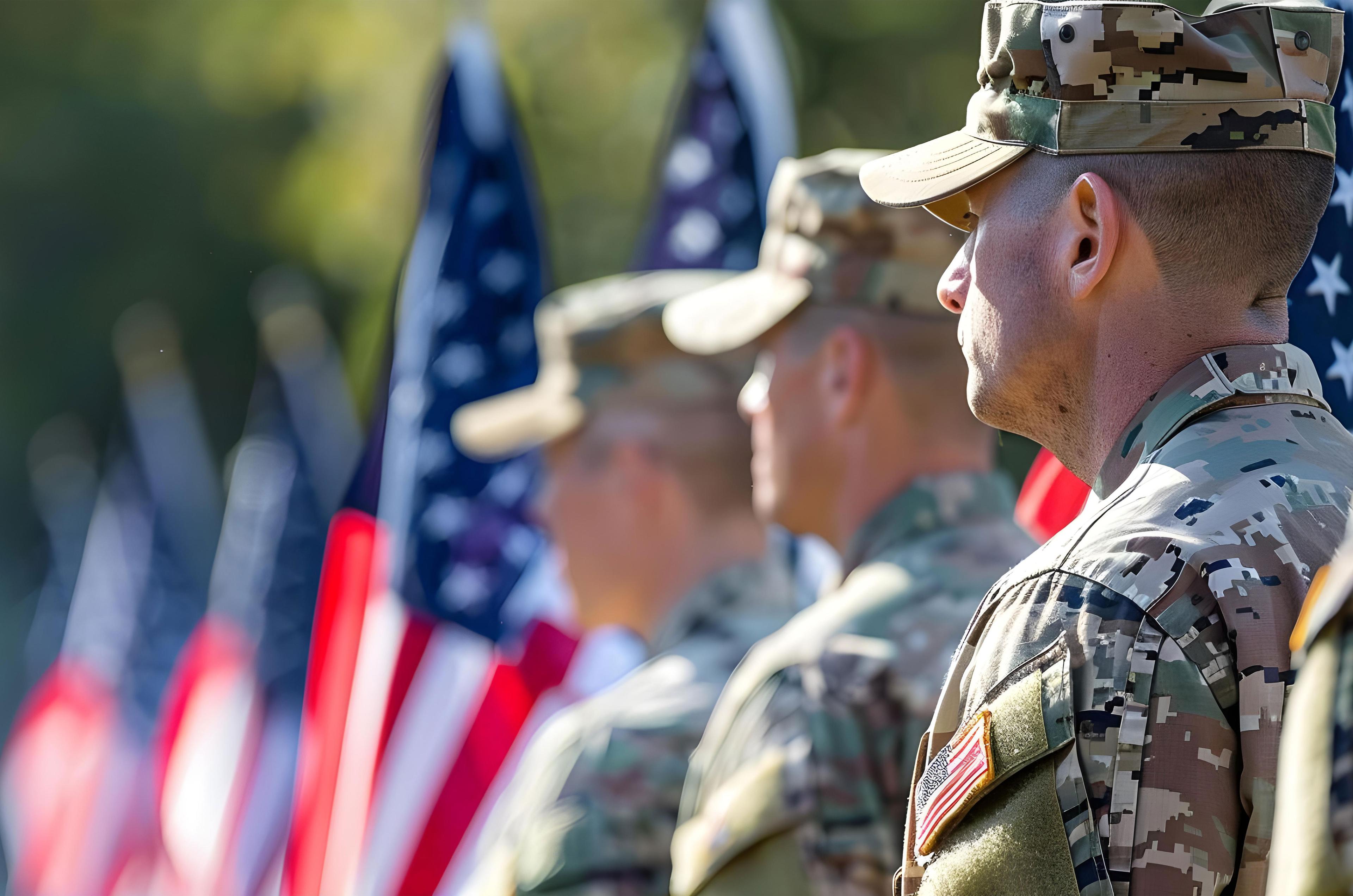
In a new op-ed for Marijuana Moment, Dragonfly Wellness Chief Growth Officer Narith Panh looks at the barriers veterans face when exploring medical cannabis, and what policymakers can do to ease them.
This Veterans Day, our Chief Growth Officer, Narith Panh, published an op-ed in Marijuana Moment. It asks a simple question: if we’re grateful to veterans, why is it still so difficult for many of them to explore medical cannabis as a care option?
Narith begins by acknowledging real progress. More than 900 medical cannabis dispensaries have now been federally registered, a meaningful step after decades of conflict between state programs and federal law. But registration doesn’t remove the barriers patients face, and for veterans those barriers can be especially complicated.
Utah is home to roughly 130,000 veterans. PTSD is a qualifying condition for medical cannabis here, but it comes with extra steps. The diagnosis must be made or confirmed by certain licensed professionals, and the condition must be monitored by a licensed mental health therapist. The patient then needs a separate recommendation from an authorized medical cannabis provider. In practice, that means two letters from medical professionals. Insomnia and nightmares are among the most common PTSD symptoms the VA recognizes, yet insomnia on its own isn’t a qualifying condition in Utah.
Utah isn’t alone. Narith points to Alaska, Arizona, Georgia and Alabama as other states where veterans with PTSD face restrictive or added requirements. VA clinicians present another hurdle. They can discuss cannabis with patients and document a PTSD diagnosis, but federal policy prevents them from recommending it or completing state program paperwork. As a result, veterans who rely on the VA often need an outside provider and have to pay for that visit themselves.
Narith is candid about the science. The VA and the Department of Defense currently recommend against cannabis for PTSD, citing limited evidence and documented risks. He notes that those evidence gaps are partly the product of decades of federal restrictions on cannabis research. He argues that scientific uncertainty is a reason for careful, coordinated care, not a reason to stop the conversation.
He also highlights the practical realities many veterans face, including distance from specialists, limited transportation, unstable housing and cost. For people already stretching limited resources, every extra appointment matters.
The op-ed closes with practical steps policymakers could take:
- Simplify the transfer of existing diagnostic records.
- Clarify documentation requirements.
- Remove duplicative visits when a clinician already has the information needed.
- Expand telehealth follow-ups and coordination between the VA, community mental health providers and state programs.
Let VA clinicians complete state documentation when they believe it’s clinically appropriate.
As Narith puts it: “This Veterans Day, let’s measure our support in more than ceremonies and dispensary discounts. Let’s build systems that respect scientific uncertainty, trust clinical judgment and make it easier for veterans to receive thoughtful, continuous care.”
Read Narith’s full op-ed on Marijuana Moment → Here
Stay Connected
Sign up for exclusive offers and discounts, and be among the first to learn about our new products.